🇸🇪
OFW Europe Spotlight
Sweden
Where the light comes back in spring, coffee is a ritual, and no one is above anyone else.
OFW Europe Spotlight
Where the light comes back in spring, coffee is a ritual, and no one is above anyone else.
Landing in Sweden is landing in quiet. The airport is calm, the trains run to the minute, and even the cities feel like they've agreed to keep the volume down. Then you notice the light — thin and golden in winter, impossibly long and white in summer, as if the day refuses to end.
This is a country that runs on trust. Doors left unlocked, prams parked outside cafés, a whole society built on the belief that people will do the right thing. It takes a while to get used to. Then you wonder how you ever lived any other way.
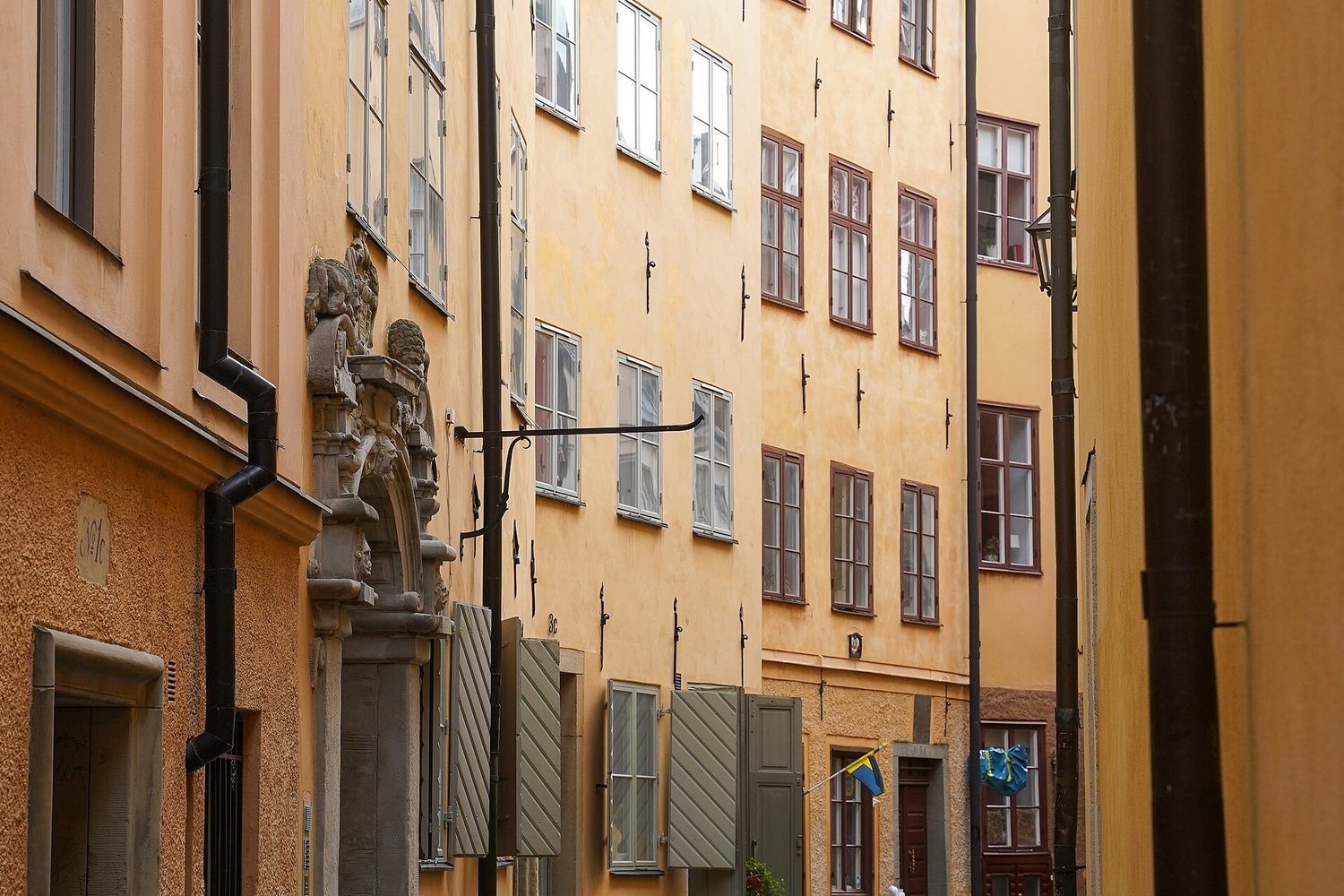
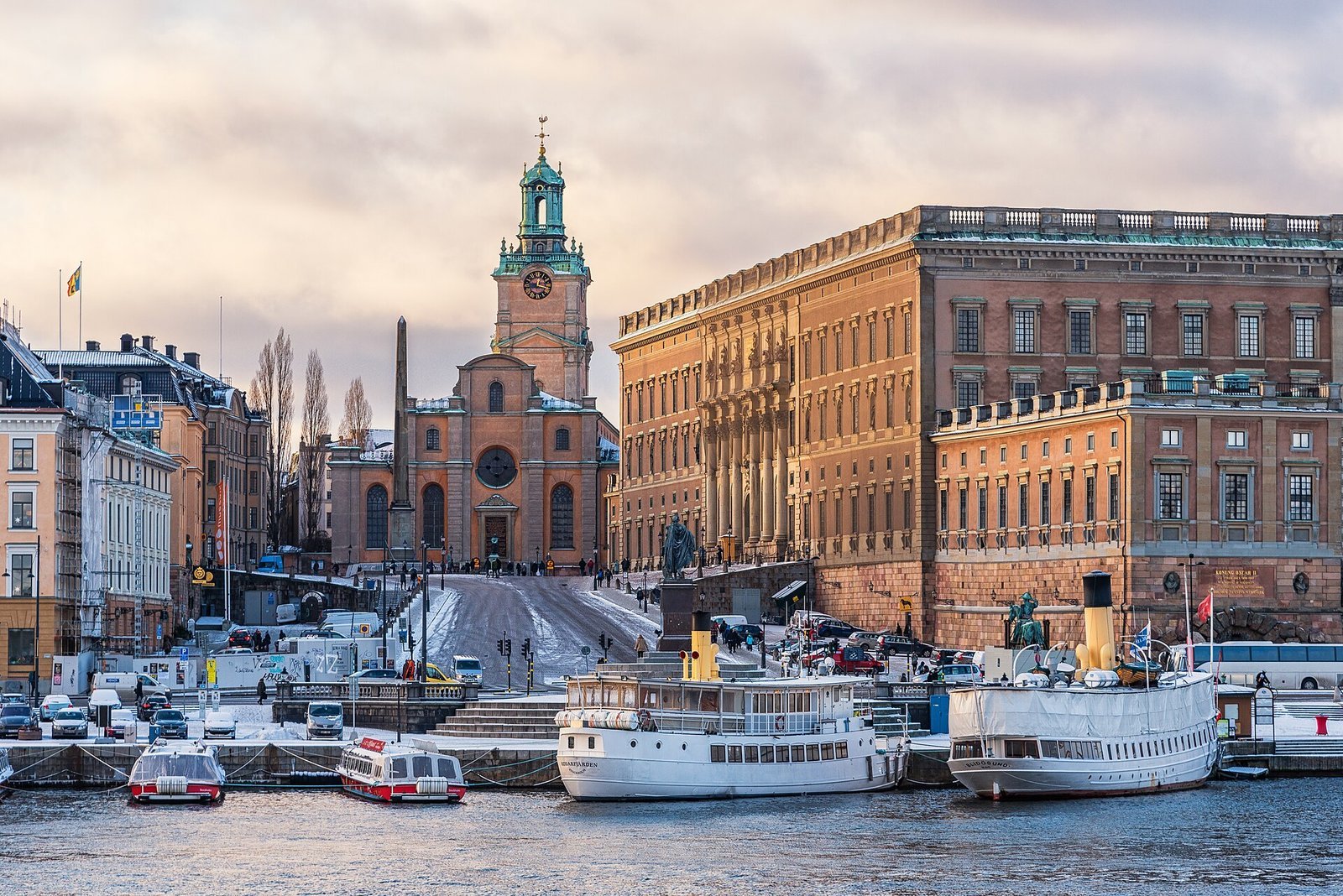
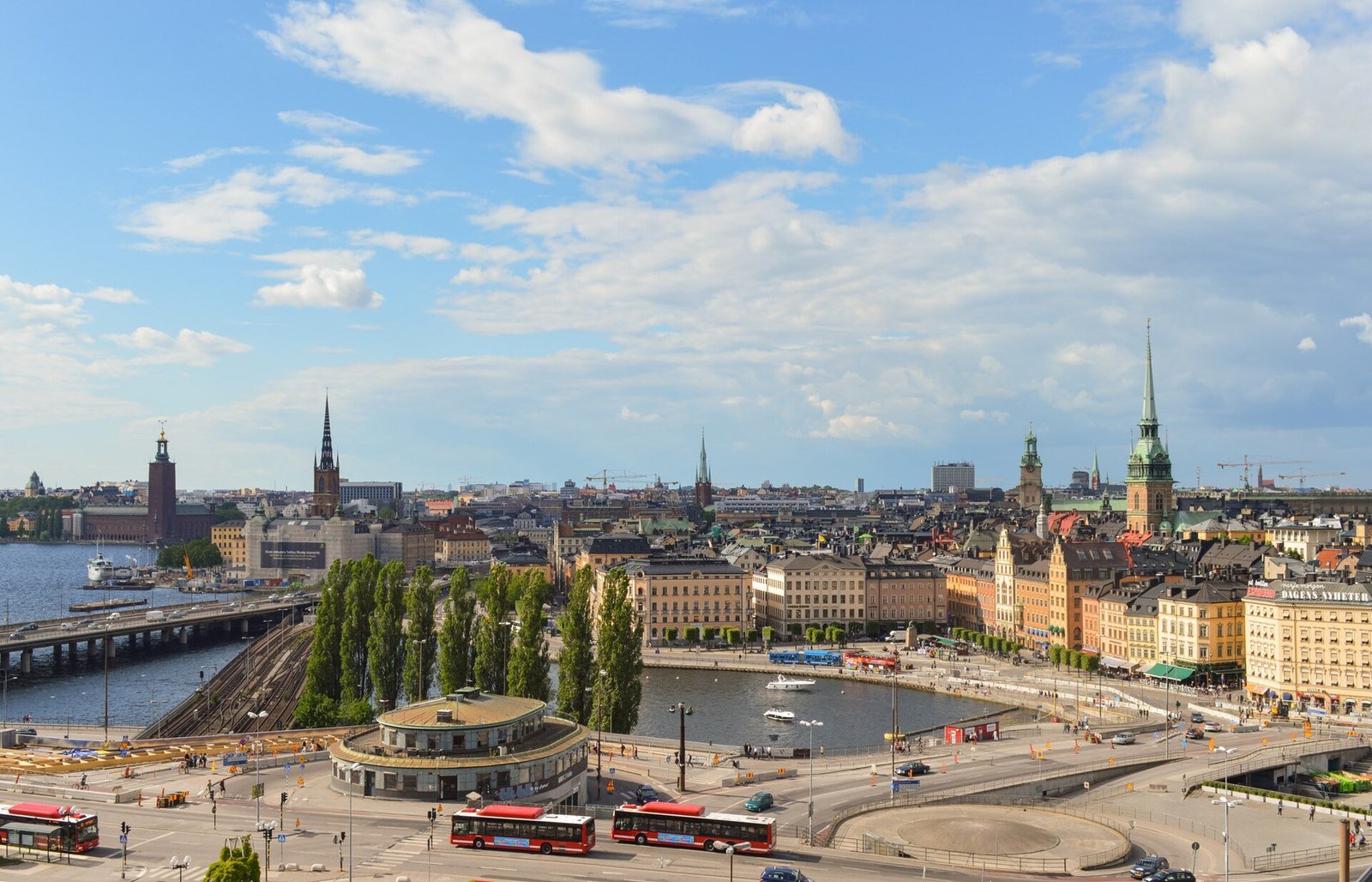
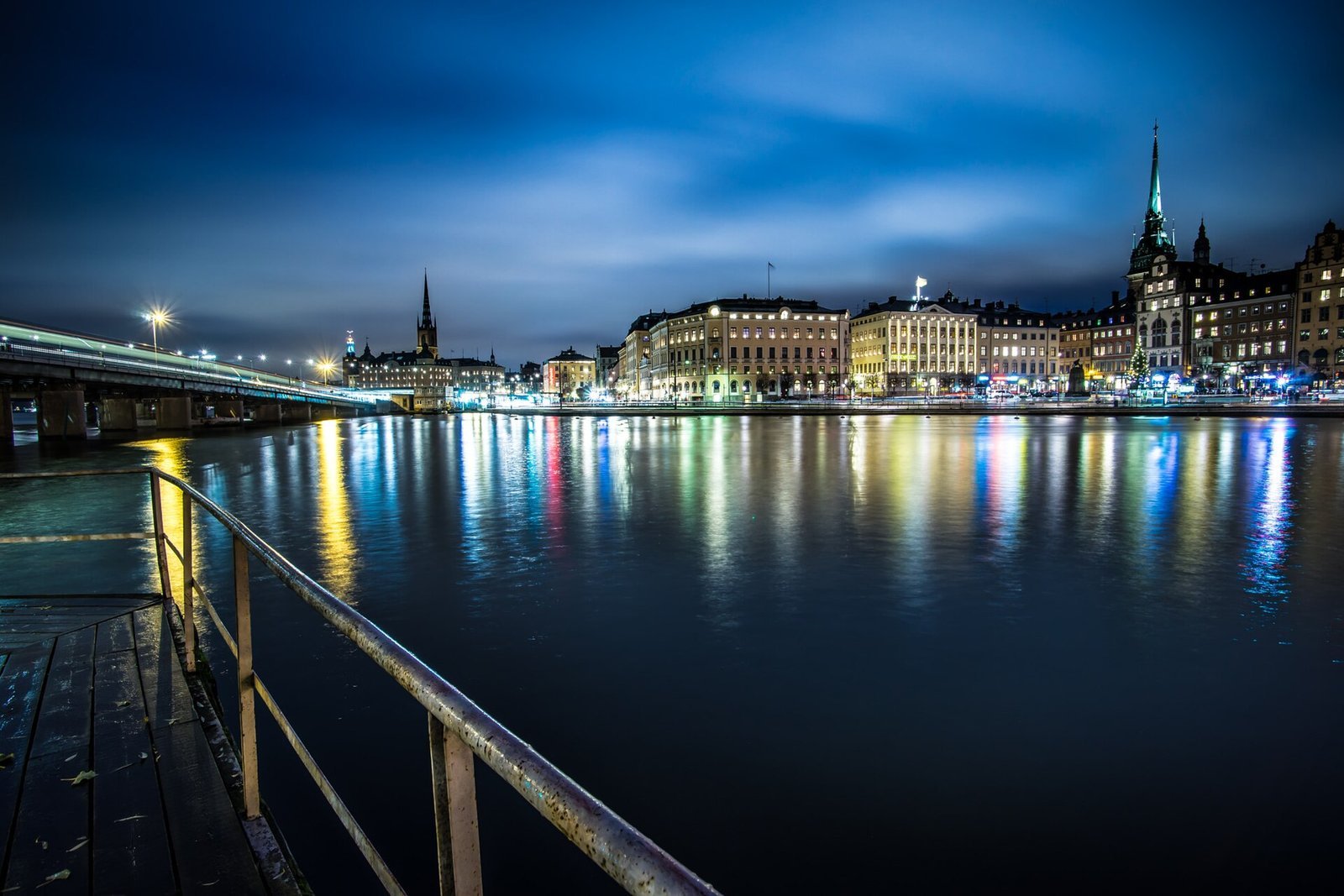
Stockholm is built on fourteen islands joined by more than fifty bridges, which means water is never far away — and neither is a view. Gamla Stan, the old town, is a knot of cobbled streets and medieval alleys; the royal palace sits at its edge, and the Nobel Prize banquet hall is just across the water.
Cross to Djurgården for the Vasa Museum, home to a warship that sank on her maiden voyage in 1628 and was raised, almost intact, three centuries later. Head south to Södermalm for vintage shops, coffee, and the city's best people-watching. This is also the birthplace of modern pop — ABBA, Avicii, and the songwriting factory behind half the hits you've ever hummed.
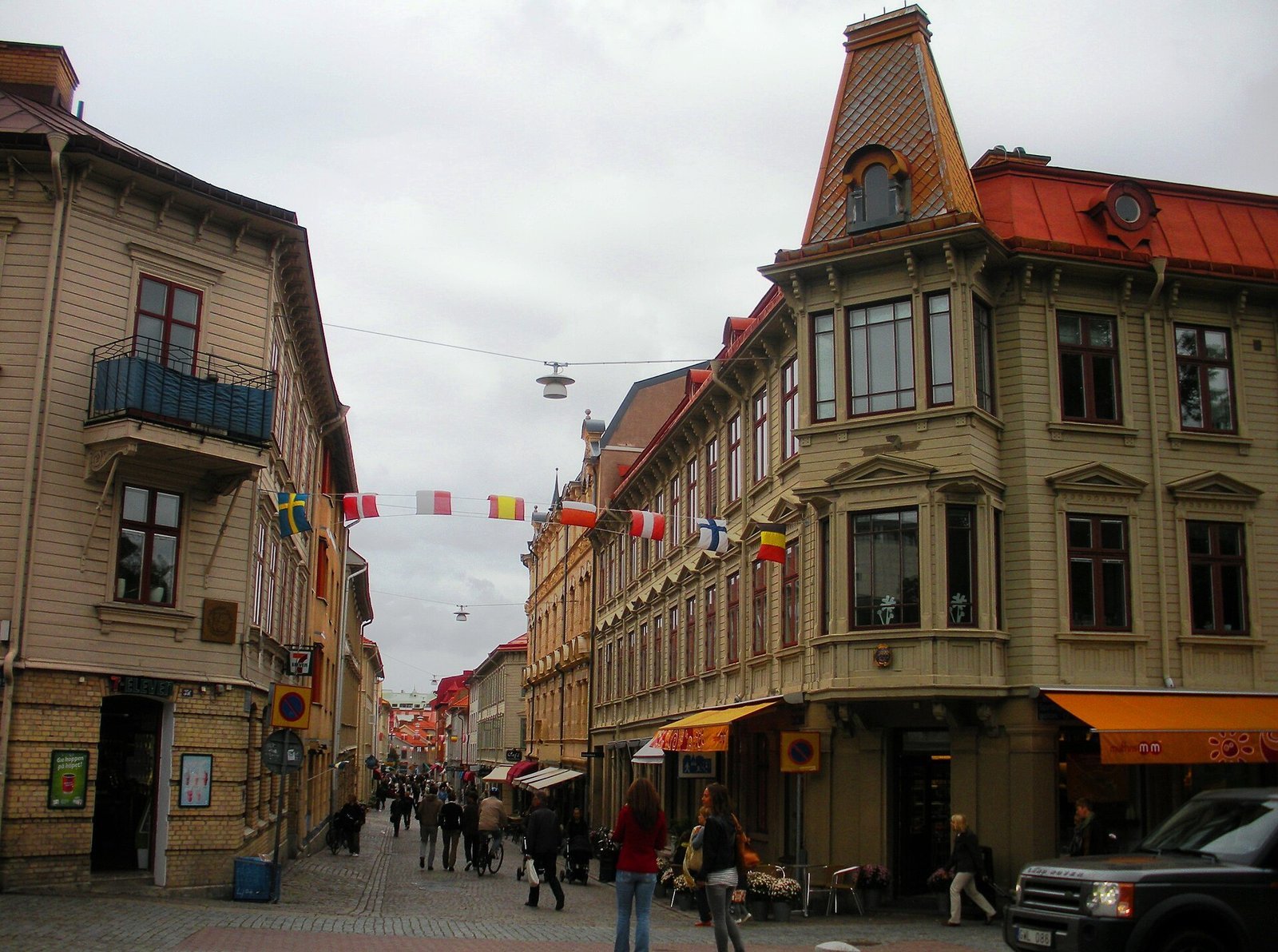
Gothenburg is Sweden's second city and its gateway to the sea. The old working-class district of Haga is a grid of wooden houses, cosy cafés, and independent shops; the harbour hums with ferries and fish markets. Swedes will tell you, only half joking, that this is where you'll find the warmest people in the country.
The Feskekôrka ("fish church") is a 19th-century indoor fish market and restaurant hall — a cathedral to shrimp, herring and salmon. Liseberg, one of Europe's most beloved amusement parks, sits right in the middle of the city.
Malmö is the first thing you see when you cross the Öresund Bridge from Denmark — a sleek, young, diverse city with the twisting Turning Torso tower rising over the waterfront. It's the most international city in Sweden, with more than a hundred nationalities and a food scene to match.
Copenhagen is 35 minutes away by train across the bridge, which makes Malmö a smart base for anyone who wants two countries for the price of one. The city is flat, green, and built for bicycles.
Swedish food is simple, seasonal, and quietly excellent — built on fish, berries, dairy, potatoes and bread. It is not flashy. It is the food of long winters and short summers, made to keep you warm.
Swedish meatballs with cream sauce, boiled potatoes and lingonberry jam. The national comfort food — and nothing like the flat-pack version.
Salmon cured with salt, sugar and dill, served with mustard sauce on toast or with boiled potatoes. Fresh, silky, and everywhere.
The cinnamon bun that anchors fika. Warm, cardamom-scented, and best eaten standing up at a counter with a coffee.
Yellow pea soup followed by thin pancakes — a Thursday tradition since the Middle Ages, still served in homes, restaurants and even the army.
The "princess cake" — layers of sponge, cream and jam under a dome of green marzipan. Sweden's most beloved celebration cake.
Fermented herring, opened outdoors for good reason. You either love it or you never speak of it again. An experience, at the very least.
Swedes drink some of the most coffee per person on earth, but fika is about far more than caffeine. It is a set pause in the day — mid-morning and mid-afternoon — where work stops, everyone sits down together, and there is always something sweet to share. Cinnamon buns, saffron buns, a slice of cake.
It's not a snack. It's a social institution. Fika appears in workplace culture so deeply that some employers write it into contracts. Coffee and tea are provided free in every office. For a newcomer, fika is the fastest door into Swedish social life — accept every invitation.
In Sweden, nature belongs to everyone. Allemansrätten, the "every person's right," lets anyone walk, camp, swim, forage and wander across the land — even across privately owned countryside — as long as they leave no trace and take nothing that harms it.
You can pitch a tent almost anywhere for a night or two. You can pick wild mushrooms and berries in autumn — lingonberries, blueberries, cloudberries — and many families do it every year to fill the freezer. It comes with a responsibility: don't disturb, don't damage, don't litter.
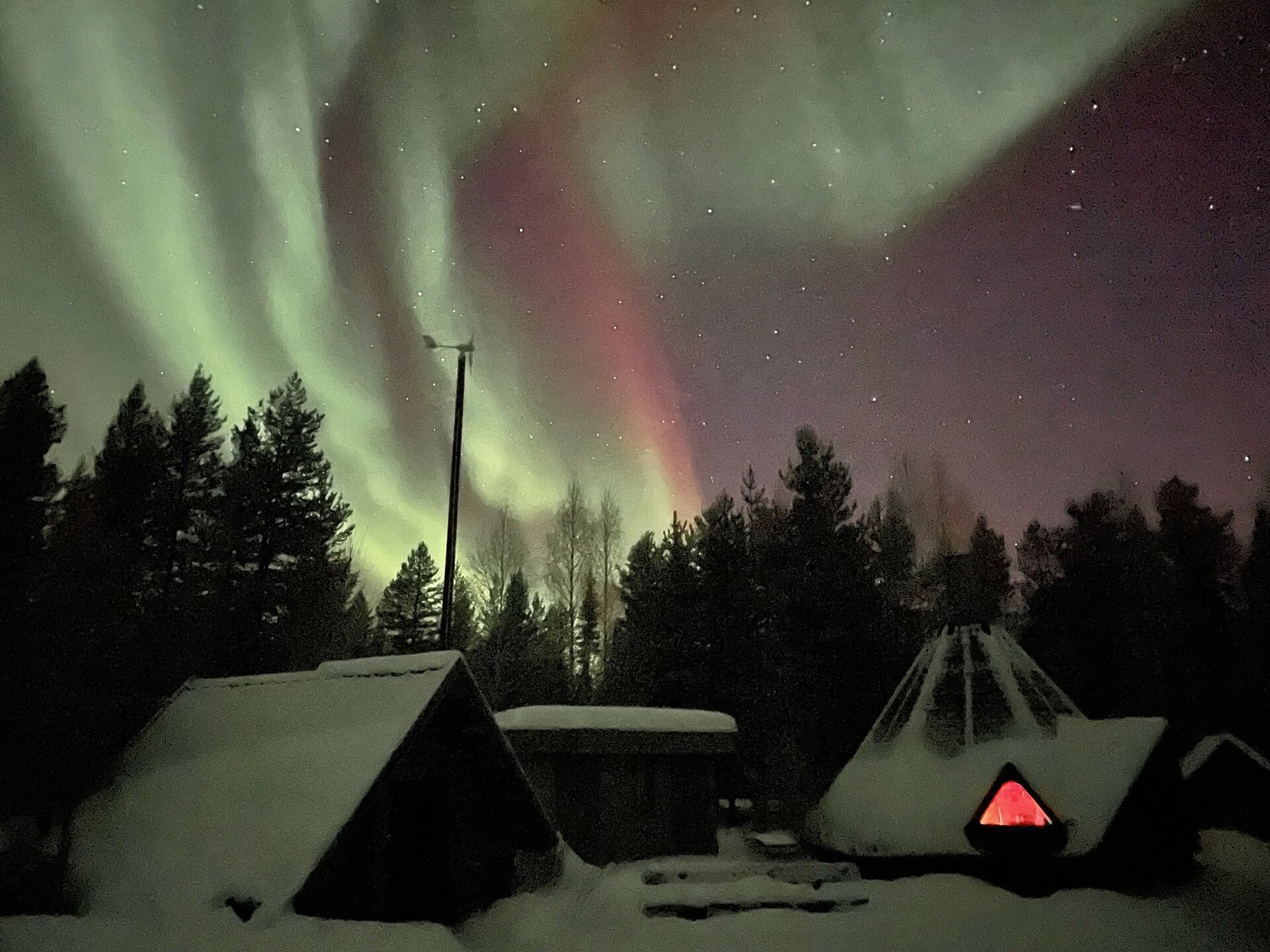
Sweden is a long country, stretched north to the Arctic, and the light shapes everything. In the far north, the winter days shrink to a few blue hours and the norrsken — northern lights — ripple green and violet across a sky thick with stars. In summer, the sun barely sets at all: the famous midnight sun turns night into a long amber evening.
Even in the south, winter days are short and grey, and summer evenings last forever. This is why Swedes celebrate the light so fiercely — with Midsommar in June, dancing around a maypole with flower wreaths in their hair, and Lucia in December, a festival of candlelight breaking the darkest week of the year.
Swedes are warm once you get to know them, but they guard their personal space and their quiet. Give it a little time, respect the boundaries, and the doors open.
Coffee with something sweet, twice a day, with company. Never skip it, and never rush it.
Not too much, not too little — just the right amount. Moderation and modesty are the national virtues.
On the bus, in the lift, in the sauna — let people be. Small talk with strangers is not expected; comfortable silence is.
Come rain, snow or midnight sun, Swedes head outdoors — to walk, ski, swim and forage. Join them; it's free.
Sweden is the home of the Nordic model — a society built on high trust, strong labour protections, generous parental leave and a deep belief that work should leave room for life. For someone coming from far away, that balance can feel almost radical at first: the right to switch off, to take holidays, to be present with family.
For an OFW in Europe, Sweden offers something quieter than sunshine and beaches — safety, order, dignity, and a genuine work-life balance that's hard to find elsewhere. The Filipino community here is not the largest in Europe — around 24,000 people as of 2018 — but it is established and growing, with workers in healthcare, IT, engineering, hospitality and academia, and communities organised around churches, associations and online groups that make a new arrival feel less alone.
It comes with real challenges: dark winters, a hard language to learn, a culture that can feel reserved, and a high cost of living. But what Sweden gives back is a life that is calm, safe and unhurried — a place where, more than almost anywhere, you're allowed to simply be.
We're building a series of country spotlights for the OFW community. If you want to share your story or suggest a destination, get in touch.
This spotlight is for cultural and informational purposes — a love letter to Sweden, not legal or immigration advice. Always verify official requirements with the relevant authorities.